
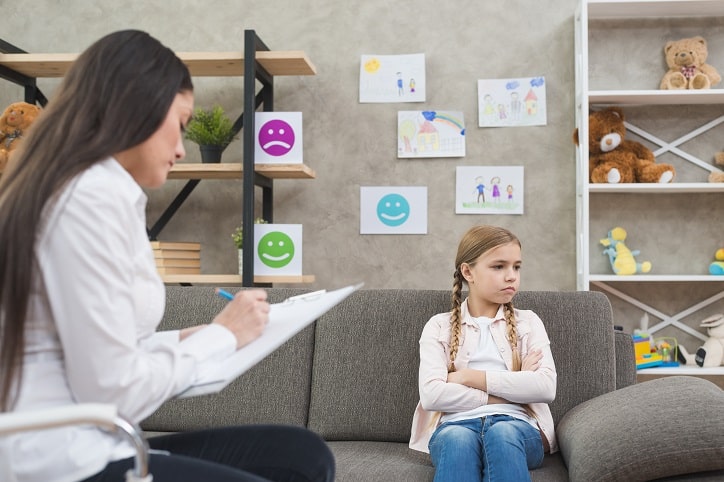
Anxiety is one of the most frequently occurring mental health issues in children and adolescents. It’s normal to have fear or worry in new situations. But if anxiety is persistent and interfering with your child’s daily life, schoolwork, friendships or family relationships, it may require professional help.
The good news is that behavioral therapy is a very effective evidence-based treatment. It helps children to learn to understand their emotions, develop healthy coping mechanisms and build self-confidence. Early help and family support allows children with anxiety to do well emotionally, socially and academically.
Principles of Behavior Therapy
Behavioral therapy is a structured approach to mental health care that assists children in recognizing the relationship between their thoughts, emotions, and behaviors. Behavioral therapy doesn’t just treat symptoms; it teaches kids tools for managing anxiety in everyday life.
Treatment is directed to the child's age, development and specific problems. Parents or caregivers may be involved in the therapeutic process to reinforce healthy coping methods at home, depending upon the needs of the child. Behavioral therapy is taking small steps. It helps children to face their fears in a safe and supportive environment, to build emotional resilience and to develop problem solving skills.
Early behavioral intervention not just reduces the symptoms of anxiety but also enhances emotional control and overall mental health.
What Are the Types of Behavioral Therapies?
There are several behavior therapies that can help children to cope with anxiety. The kind of treatment depends on the child’s age, the diagnosis and the child’s individual needs.
The gold standard treatment for childhood anxiety is Cognitive Behavioral Therapy (CBT). CBT helps children to identify negative thinking patterns, to challenge irrational fears and to replace them with healthier, more balanced ways of thinking. Children also learn practical ways to cope with anxiety, such as relaxation exercises, problem-solving skills and slow exposure to things that make them anxious.
Exposure therapy (part of CBT) enables children to face feared situations in a gradual and safe way with support. The more you do it, the less anxious you will feel and the more confidence you will have.
Play therapy is particularly helpful for younger children who might find it difficult to put their feelings into words. Therapists use play, storytelling, drawing, games and other creative methods to help children express feelings, work through fears and learn healthy emotional responses.
Some of the treatment of behavior therapy may be parent training. Parents learn ways to encourage positive behaviors, ways to deal with problem behaviors, and ways to communicate that support the child’s emotional development at home and school.
Why Use Behavioral Therapy for Child Anxiety?
Behavioral therapy is the most common treatment suggested. The goal is not just to remove the symptoms but to get to the root of anxiety. Children learn coping skills to manage stressful situations on their own later in life.
Temporary reassurance doesn't help children to overcome their fears gradually, but therapy does. As they become successful in managing their anxiety, their confidence, emotional resilience and self-esteem grow naturally.
Behavioral therapy is a personalized, evidence-based, non-invasive therapy. It may be helpful for children with generalized anxiety disorder, separation anxiety, social anxiety, specific phobias, school-related anxiety, and obsessive-compulsive symptoms. Behavioral therapy is often enough, but children with more severe anxiety may need a combination of therapy and medical management under specialist supervision.
Perhaps most importantly, therapy gives parents tangible tools to help their child’s emotional development outside of the therapy office.
Benefits of Behavioral Therapy for Child Anxiety
There are many other benefits of behavioral therapy that last long after anxiety management. Children will often have better emotional regulation, more confidence, better problem-solving skills and healthier relationships with family and friends.
With less anxiety, most children become more focused, perform better at school, are more involved in school activities and are more enthusiastic about socializing. They learn how to cope in healthier ways, not avoidance or emotional outbursts.
Behavioral therapy helps parents understand when their child needs emotional support and how to respond with empathy and consistency. This leads to improved communication within the family. These positive changes correlate with better overall mental health and quality of life.
How to Choose the Right Behavioral Therapist?
Finding a behavioral therapist who has experience is an important step in your child’s path to better mental health. Parents should seek out psychologists, child psychiatrists, developmental pediatricians or behavior therapists who are qualified and experienced in working with children and adolescents.
A good therapist will create a safe, supportive and child-friendly environment in which children feel comfortable to share themselves without judgment. Therapy is also effective when parents are active partners in making sure the strategies learned in session are reinforced consistently at home.
Parents should have the opportunity to ask the therapist about his or her qualifications, experience working with childhood anxiety, treatment approach, and the expected goals of therapy. Often the best outcomes result from a collaborative relationship between therapist and family.
Conclusion
Childhood anxiety is common, but it should never be ignored when it starts affecting a child’s daily life and mental health. It gives children real-world skills to learn how to identify feelings, overcome fears and build coping mechanisms for life. Early intervention, family support and professional guidance can do much to help children build resilience and confidence. With the right help, children with anxiety can turn into healthy, well-adjusted adults who reach their potential.
Why Choose Ankura?
Ankura Hospital for Women and Children recognizes that each child is different and has different emotional needs. Our team of child psychologists, child psychiatrists, developmental pediatricians and pediatric specialists take a multidisciplinary approach to comprehensive behavioral assessments, counseling, behavioral therapy, family-centered care and more — all tailored to the needs of each child. We emphasize early intervention, evidence based treatment, parent education and long term mental health. At Ankura we’re committed to helping kids beat anxiety, build resilience and reach their full potential – with caring support and a caring environment.