
It often starts with a cough that wakes your child in the middle of the night.
You give some water. They settle down and go back to sleep.
Then it happens again the next night.
And again.
After a few nights, parents naturally start wondering:
“Why does my child keep coughing at night?”
A night-time cough is not always asthma. Children can cough because of viral infections, allergies, nasal congestion, reflux and several other conditions.
But when the cough keeps coming back, is worse at night or early in the morning, occurs after running or playing, or is accompanied by wheezing or breathing difficulty, asthma becomes one of the possibilities that needs to be considered.
The important part is recognising the pattern rather than treating every recurring cough as “just another cold.”
Why Does Asthma Cause Coughing at Night?
Asthma affects the airways—the small tubes that carry air in and out of the lungs.
In children with asthma, these airways can become inflamed and narrowed, making it harder for air to move normally. Symptoms can come and go and may be triggered by infections, allergens, cold air, exercise and other environmental factors.
For some children, cough may be the most noticeable symptom.
The cough can become particularly troublesome at night or in the early morning. This is why a child who repeatedly wakes up coughing deserves a closer look, especially if there are other breathing symptoms.
Is Every Night-Time Cough Asthma?
No.
This is an important distinction.
A child may cough at night because of:
- A common viral infection
- Post-nasal drip or nasal congestion
- Allergies
- Asthma
- Acid reflux
- Environmental irritants such as cigarette smoke or air pollution
- Other respiratory conditions
Young children can be particularly difficult to diagnose because symptoms of asthma can overlap with viral wheezing and other childhood respiratory conditions.
So the question isn’t simply “Does my child cough at night?”
It is:
“Does my child’s cough follow a pattern that suggests asthma?”
What Does an Asthma-Related Cough Look Like?
There isn’t one single pattern that every child follows.
However, asthma becomes more likely when coughing repeatedly occurs along with one or more of the following:
Coughing at Night or Early Morning
A recurring dry cough that wakes the child or is consistently worse at night can be an important clue.
Wheezing
You may hear a whistling sound when your child breathes, particularly while breathing out.
Cough After Running or Playing
Some children seem perfectly comfortable at rest but start coughing, wheezing or becoming breathless after physical activity.
Breathlessness
Your child may appear to struggle to catch their breath or become unusually breathless compared with other children of the same age.
Repeated Episodes
If the same pattern keeps returning after colds or during particular seasons, it is worth discussing with a pediatrician.
Does My Child Have Asthma If They Cough After Every Cold?
Not necessarily.
This is especially important in younger children.
Viral infections can cause temporary wheezing and coughing because a young child’s airways are relatively small. Not every child who wheezes or coughs during a cold will go on to develop asthma.
However, asthma becomes more likely when symptoms:
- Keep recurring
- Occur even when the child doesn’t have a cold
- Are worse at night or early morning
- Occur with exercise
- Are associated with allergies or eczema
- Occur in a child with a family history of asthma or allergies
These patterns help the doctor decide whether further evaluation for asthma is needed.
What Other Signs Should Parents Look For?
Sometimes children don’t say, “I’m having difficulty breathing.”
Instead, parents may notice smaller changes.
For example:
- Your child stops playing sooner than usual
- They cough repeatedly while running
- They avoid physical activity
- They wake up coughing several nights a week
- They breathe faster than usual
- They complain of chest tightness
- They become tired during activities that were previously easy
These details can be very useful to a pediatrician.
If possible, parents can also note when the cough happens, what seems to trigger it, whether it occurs during sleep or exercise, and whether there is wheezing or breathlessness. A short video of unusual breathing sounds can sometimes be helpful during a consultation.
What Can Trigger Asthma Symptoms in Children?
Triggers are different from child to child.
Common triggers can include:
- Viral respiratory infections
- Dust and dust mites
- Pollen
- Animal dander
- Smoke
- Air pollution
- Strong smells or chemicals
- Cold air
- Exercise
- Seasonal changes
Not every child with asthma reacts to every trigger.
Identifying your child’s individual pattern can be an important part of managing symptoms.
How Is Asthma Diagnosed in Children?
There is no single test that can diagnose asthma in every child.
A pediatrician usually starts with a detailed history and examination.
The doctor may ask:
- When does the cough occur?
- Is it worse at night?
- Does it happen after exercise?
- Does your child wheeze?
- How often does it happen?
- Does it occur only with colds?
- Does the child have allergies or eczema?
- Is there a family history of asthma?
- Is the child exposed to smoke or air pollution?
For older children who can perform reliable breathing tests, spirometry may be used to assess lung function. Other tests may sometimes be considered depending on the child’s symptoms and age.
In younger children, objective lung-function testing can be difficult, so diagnosis may depend more heavily on the clinical pattern and repeated assessment.
Does a Child Need an Inhaler Just Because They Cough at Night?
Not necessarily.
A night-time cough should not automatically be treated as asthma.
The right treatment depends on the cause.
If a pediatrician suspects asthma, they may recommend appropriate asthma medication and assess how the child’s symptoms respond. The diagnosis and treatment plan should be individualised rather than starting medicines based on the cough alone.
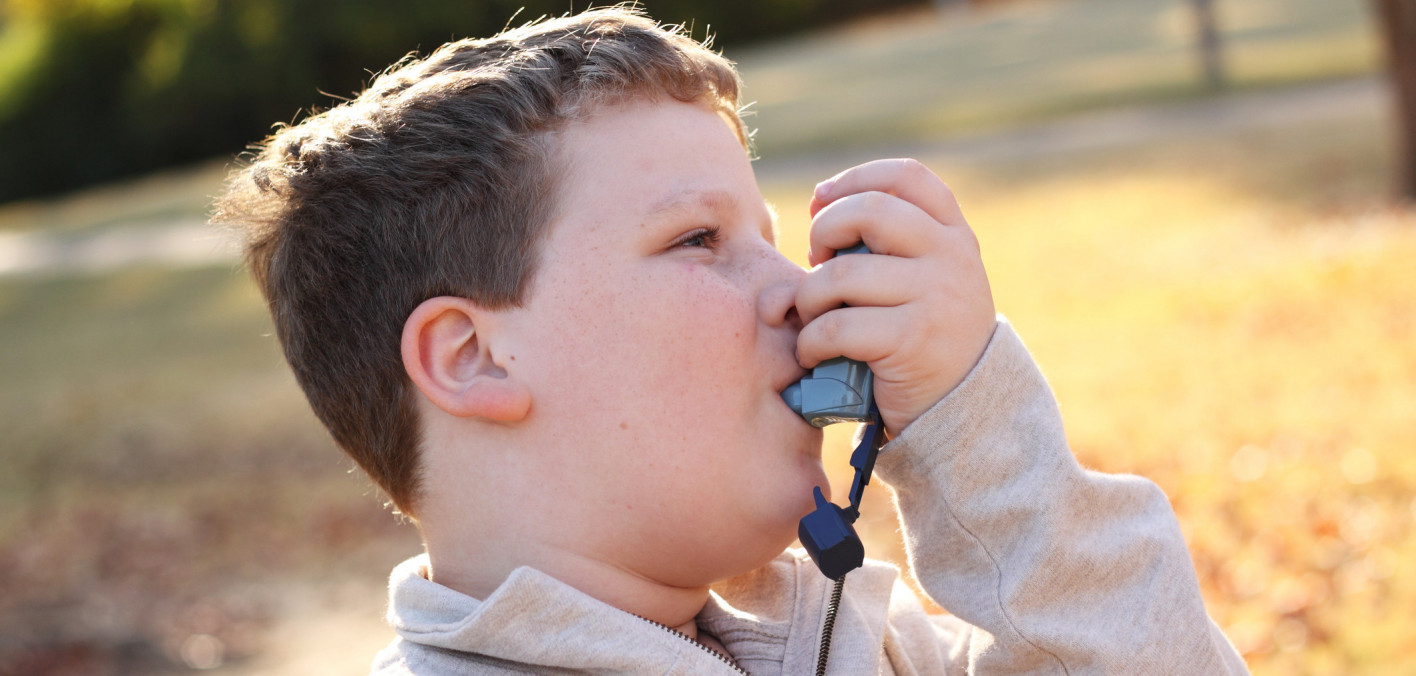
If your child has already been prescribed an inhaler, correct technique is also important. Younger children often use an inhaler with a spacer to help deliver the medicine effectively.
When Should Parents Take a Night-Time Cough Seriously?
Consider seeing a pediatrician if your child’s cough:
- Keeps returning at night
- Regularly wakes them from sleep
- Happens repeatedly after exercise
- Is associated with wheezing
- Is accompanied by breathlessness
- Continues after a cold has otherwise resolved
- Is affecting sleep, school or physical activity
- Is becoming more frequent or severe
A persistent cough in a child deserves evaluation rather than repeated courses of cough medicines without understanding the underlying cause.
When Does a Child Need Urgent Medical Attention?
If your child is struggling to breathe, don’t wait for the cough to settle on its own.
Seek urgent medical care if your child has:
- Significant difficulty breathing
- Very fast or laboured breathing
- Chest or skin between the ribs visibly pulling in while breathing
- Blue or grey lips
- Severe wheezing or breathing difficulty
- Difficulty speaking, drinking or feeding because of breathlessness
- Increasing drowsiness or weakness
These can indicate significant breathing difficulty and require immediate medical assessment.
A Night-Time Cough Is Worth Paying Attention To
A child coughing once or twice at night during a cold is usually not a reason to assume asthma.
But if the same cough keeps returning—particularly when your child is otherwise well—it is worth looking at the pattern.
Does it happen after running?
Does your child wheeze?
Does the cough wake them regularly?
Does it happen even without a cold?
These small observations can help your pediatrician determine whether asthma or another condition may be responsible.
The goal isn’t simply to stop the cough.
It is to understand why the child is coughing in the first place.
Expert Pediatric Respiratory Care at Ankura Hospital
At Ankura Hospital for Women & Children, our pediatric team evaluates children with recurring cough, wheezing, breathing difficulties and suspected asthma with a detailed, child-focused approach.
We look at the pattern of symptoms, possible triggers, allergies, family history, activity-related symptoms and the child’s overall health before planning further evaluation or treatment.
If your child’s cough keeps returning at night or is affecting sleep, activity or daily life, an early pediatric assessment can help identify the cause and guide appropriate treatment.