
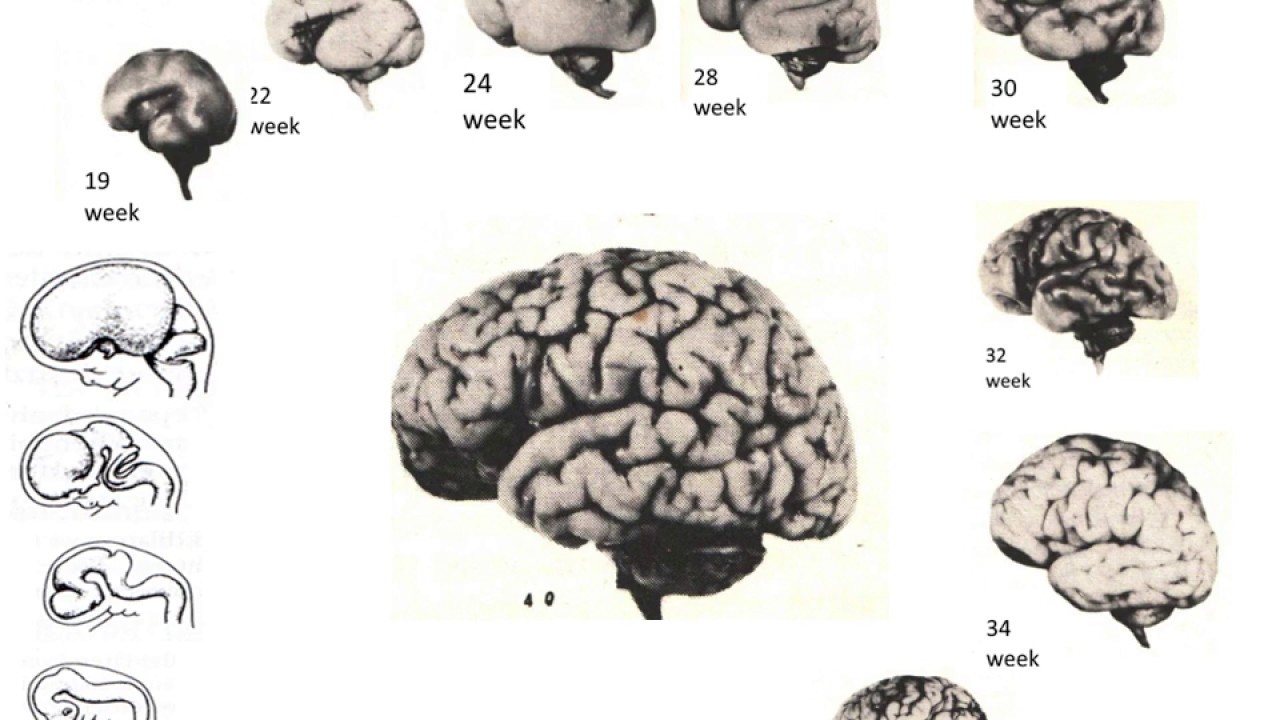
When parents think about their baby's growth, they often focus on visible milestones such as weight gain, crawling, walking, and speaking. However, one of the most remarkable transformations occurs inside the baby's brain.
The period from conception until a child's second birthday—commonly known as the first 1,000 days—is considered one of the most important windows of development in human life. During this time, the brain develops at an extraordinary pace, creating millions of neural connections every second.
Everything a baby experiences during these early years—including nutrition, sleep, emotional bonding, stimulation, and healthcare—plays a crucial role in shaping long-term cognitive, emotional, and physical health.
As a Neonatologist and Pediatrician, I often tell parents that investing in these first 1,000 days is one of the most valuable gifts they can give their child.
What Are the First 1,000 Days?
The first 1,000 days begin from conception and continue until a child's second birthday.
This period includes:
- Pregnancy (approximately 270 days)
- Birth to 1 year
- 1 to 2 years of age
It is during this time that the foundations for:
- Learning
- Memory
- Language
- Emotional development
- Social skills
- Physical growth
are established.
Scientists consider this period a once-in-a-lifetime opportunity for optimal brain development.
Why Is Brain Development So Rapid During This Period?
A newborn's brain is incredibly active.
In the first few years of life:
- Neural connections form rapidly
- Brain architecture develops
- Learning pathways are established
- Sensory systems mature
- Emotional regulation develops
By the age of two years, a child's brain reaches nearly 80% of its adult size.
This rapid development explains why positive early experiences have lasting effects on future health and learning.
The Role of Nutrition in Brain Development
Nutrition is one of the most powerful influences on brain growth.
The developing brain requires:
- Protein
- Iron
- Zinc
- Iodine
- Healthy fats
- Vitamins
Deficiencies during critical growth periods can affect cognitive development and learning abilities.
Providing optimal nutrition during infancy lays the foundation for lifelong health.
Why Breastfeeding Matters
Breast milk is often called nature's first superfood for a reason.
It provides:
- Essential nutrients
- Growth factors
- Antibodies
- Long-chain fatty acids important for brain development
Breastfeeding has been associated with improved cognitive outcomes and supports healthy neurological growth.
The World Health Organization recommends exclusive breastfeeding for the first six months of life, followed by continued breastfeeding alongside complementary feeding.
Early Stimulation Shapes the Growing Brain
The brain develops through experiences.
Simple everyday interactions help strengthen neural pathways.
Examples include:
- Talking to your baby
- Singing songs
- Reading books
- Making eye contact
- Responding to cries
- Playing interactive games
These seemingly small activities contribute significantly to language development, emotional security, and learning.
The Power of Responsive Parenting
Babies thrive when caregivers respond consistently and lovingly to their needs.
Responsive parenting helps a child feel safe and secure.
When parents:
- Comfort their baby
- Respond to hunger cues
- Talk and interact frequently
- Encourage exploration
they support healthy brain architecture.
Positive parent-child relationships are closely linked to emotional resilience and better developmental outcomes later in life.
Sleep: The Brain's Natural Growth Laboratory
Sleep is essential for learning and memory.
During sleep, a baby's brain:
- Processes experiences
- Consolidates memories
- Builds neural pathways
- Supports growth and repair
Inadequate sleep can affect behavior, attention, and development.
Establishing healthy sleep routines is therefore an important part of supporting brain growth.
Premature Babies Need Additional Developmental Support
Babies born prematurely face unique developmental challenges because part of their brain growth occurs outside the protective environment of the womb.
Premature infants may require:
- Developmental monitoring
- Nutrition support
- Vision and hearing screening
- Regular pediatric follow-up
However, with appropriate neonatal care and early intervention, most premature babies achieve excellent outcomes.
As Neonatologists, we focus not only on survival but also on optimizing long-term development.
Screen Time and Brain Development
In today's digital world, many parents wonder about exposing young children to screens.
Excessive screen exposure during infancy may limit opportunities for:
- Social interaction
- Language development
- Active play
- Exploration
For babies and toddlers, real-life human interaction remains the best form of stimulation.
Talking, reading, singing, and playing with your child provide far greater developmental benefits than passive screen viewing.
Warning Signs That Need Medical Evaluation
Parents should discuss developmental concerns with their pediatrician if they notice:
In Young Infants
- Poor feeding
- Poor weight gain
- Lack of eye contact
- Limited response to sounds
During the First Year
- Delayed social interaction
- Poor muscle control
- Lack of babbling
- Difficulty tracking objects
During Toddlerhood
- Delayed speech
- Difficulty understanding simple instructions
- Limited social engagement
- Loss of developmental skills
Early assessment allows intervention at a stage when the brain remains highly adaptable.
How Parents Can Support Healthy Brain Development
Simple everyday habits can make a significant difference.
Talk to Your Baby Frequently
Language exposure supports communication and cognitive growth.
Read Every Day
Reading strengthens vocabulary and language skills.
Encourage Play
Play promotes creativity and problem-solving.
Prioritize Nutrition
Healthy nutrition fuels growing brains.
Ensure Adequate Sleep
Sleep supports memory and development.
Attend Regular Health Check-Ups
Routine visits help monitor growth and developmental progress.
Why are the first 1,000 days important for a baby's brain?
The first 1,000 days are when the brain develops most rapidly, forming the foundation for learning, behavior, and overall health.
Does breastfeeding help brain development?
Yes. Breast milk provides essential nutrients and healthy fats that support brain growth and cognitive development.
How can parents improve their baby's brain development?
Parents can support brain development through nutrition, reading, talking, play, responsive caregiving, and ensuring adequate sleep.
Are premature babies at risk for developmental delays?
Some premature babies may require additional monitoring, but early intervention and proper neonatal care significantly improve outcomes.