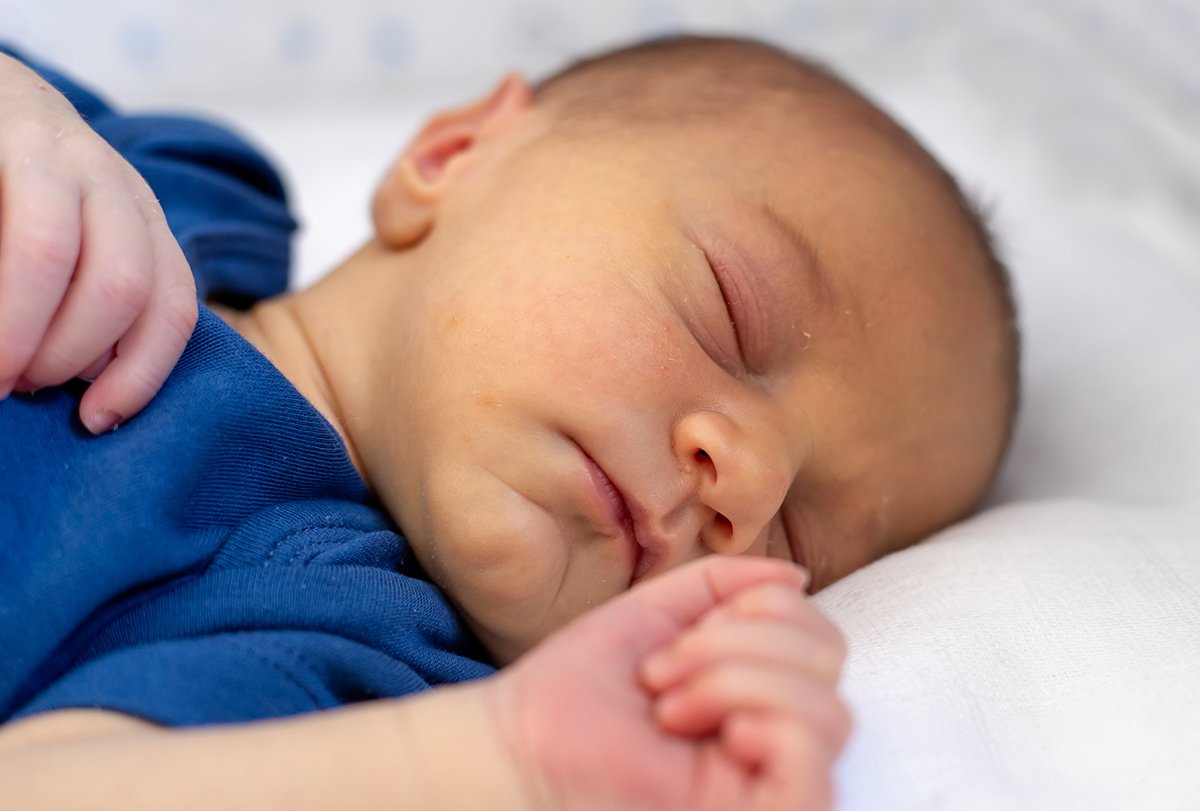
One of the most common concerns new parents faces during the first week of their baby's life is jaundice. Seeing a newborn's skin or eyes turn yellow can naturally create anxiety and raise several questions.
The reassuring news is that newborn jaundice is extremely common and, in most cases, is temporary and harmless. However, there are situations where jaundice requires immediate medical attention and treatment.
As a Neonatologist, one of the most frequent questions I hear from parents is, "Is my baby's jaundice normal?" Understanding the difference between physiological jaundice and dangerous jaundice can help parents seek timely care and ensure the best outcome for their newborn.
What Is Newborn Jaundice?
Newborn jaundice occurs when there is an excess accumulation of bilirubin in the baby's bloodstream.
Bilirubin is a yellow pigment produced when red blood cells naturally break down. The liver processes bilirubin and removes it from the body.
In newborn babies, especially during the first few days of life, the liver may not yet be mature enough to handle bilirubin efficiently. As a result, bilirubin levels can rise, causing yellow discoloration of the skin and eyes.
Why Is Jaundice Common in Newborns?
Several factors contribute to jaundice in newborns:
- Immature liver function
- Increased breakdown of fetal red blood cells
- Delayed feeding
- Dehydration
- Prematurity
Because of these factors, mild jaundice develops in many healthy newborns during the first week after birth.
When Does Normal Jaundice Usually Appear?
Physiological jaundice typically:
- Appears after the first 24 hours of life
- Peaks between the third and fifth day
- Gradually improves within one to two weeks
This type of jaundice is generally considered part of normal newborn adaptation.
However, not all jaundice is harmless.
Warning Signs Parents Should Never Ignore
Jaundice Within the First 24 Hours
Any yellow discoloration appearing during the first day of life requires immediate evaluation.
Early-onset jaundice may indicate an underlying medical condition requiring urgent treatment.
Rapidly Increasing Yellow Color
If the yellow discoloration appears to spread quickly from the face to the chest, abdomen, arms, and legs, bilirubin levels may be rising significantly.
Poor Feeding
Babies with concerning jaundice may:
- Feed poorly
- Sleep excessively
- Show reduced interest in feeding
Extreme Sleepiness
Excessive lethargy or difficulty waking the baby can be a warning sign.
High-Pitched Cry
An unusual or high-pitched cry should always be evaluated promptly.
Arching of the Body
Abnormal body movements or arching may indicate severe bilirubin-related complications.
Which Babies Are at Higher Risk?
Certain newborns have a greater risk of developing significant jaundice.
Premature Babies
Premature infants have more immature liver function and require closer monitoring.
Low Birth Weight Babies
Smaller babies often need additional follow-up during the newborn period.
Babies with Blood Group Incompatibility
Differences between maternal and infant blood groups can increase bilirubin production.
Babies with Feeding Difficulties
Inadequate feeding can worsen jaundice by slowing bilirubin elimination.
Previous Sibling with Jaundice
A family history may increase risk.
Breastfeeding and Jaundice
Breastfeeding offers significant benefits to newborns and should be encouraged.
However, inadequate milk intake during the first few days may contribute to dehydration and elevated bilirubin levels.
Parents should ensure that:
- The baby feeds frequently
- Wet diapers increase daily
- Weight loss remains within expected limits
Lactation support can be extremely helpful during this period.
How Is Jaundice Diagnosed?
Doctors evaluate jaundice through:
Physical Examination
The extent and distribution of yellow discoloration are assessed.
Bilirubin Measurement
Bilirubin levels can be measured using:
- Skin-based screening devices
- Blood tests
These tests help determine whether treatment is necessary.
What Is Phototherapy?
Phototherapy is the most common treatment for newborn jaundice.
During phototherapy:
- The baby is placed under special blue-spectrum lights
- Bilirubin is converted into forms that are easier to eliminate
- Treatment is painless and safe
Phototherapy has helped prevent serious complications and remains highly effective in managing neonatal jaundice.
Can Severe Jaundice Be Dangerous?
Although uncommon, extremely high bilirubin levels can affect the brain.
This condition is known as kernicterus, a rare but serious complication.
Timely diagnosis and treatment almost always prevent such outcomes.
This is why newborn follow-up visits and bilirubin monitoring are so important.
How Can Parents Help at Home?
Parents can support healthy recovery by:
- Feeding the baby frequently
- Monitoring urine output
- Watching for increasing yellow discoloration
- Attending scheduled newborn visits
- Following pediatrician recommendations
Never attempt home remedies without medical advice.
When Should You Contact Your Pediatrician Immediately?
Seek urgent medical care if your baby:
- Appears yellow within the first 24 hours after birth
- Has worsening jaundice
- Refuses feeds
- Is excessively sleepy
- Has fewer wet diapers
- Develops fever
- Shows abnormal movements
Early intervention is always safer than waiting.
Is newborn jaundice normal?
Yes. Mild jaundice is common in many newborns during the first week of life. However, some cases require treatment.
When should I worry about newborn jaundice?
Parents should seek medical attention if jaundice appears within the first 24 hours, worsens rapidly, or is associated with poor feeding and excessive sleepiness.
How is newborn jaundice treated?
Treatment may include feeding support, monitoring, and phototherapy depending on bilirubin levels.
Can jaundice affect a baby's brain?
Severe untreated jaundice can be harmful, but early diagnosis and treatment usually prevent complications.