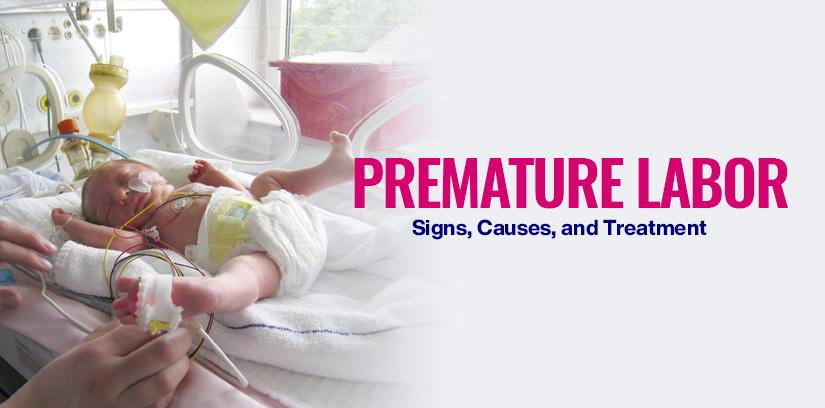
Every expecting mother eagerly looks forward to completing her full term of pregnancy and welcoming a healthy baby into the world. However, sometimes labour begins earlier than expected, leading to what is known as preterm labour.
Preterm birth remains one of the leading causes of newborn illness and hospitalization worldwide. While advances in neonatal care have greatly improved outcomes for premature babies, preventing preterm birth whenever possible remains the best strategy.
The good news is that many risk factors can be identified early, and timely medical intervention can often delay delivery, improve pregnancy outcomes, and give babies the healthiest possible start.
What Is Preterm Labour?
Preterm labour refers to labour that begins before 37 completed weeks of pregnancy.
It occurs when regular uterine contractions cause progressive changes in the cervix earlier than expected.
Pregnancy is considered:
- Early Term: 37–38 weeks
- Full Term: 39–40 weeks
- Late Term: 41 weeks
- Post Term: Beyond 42 weeks
Any birth before 37 weeks is categorized as preterm.
Why Is Preterm Birth a Concern?
Babies born too early may not have completed the development of important organs.
Premature babies may face challenges such as:
- Breathing difficulties
- Feeding problems
- Temperature instability
- Jaundice
- Increased infection risk
- Longer NICU stays
The earlier the delivery occurs, the greater the potential risks.
This is why recognizing preterm labour early is extremely important.
What Causes Preterm Labour?
In many cases, a single clear cause cannot be identified.
However, several factors increase the likelihood of preterm labour.
Previous Preterm Birth
Women with a prior history of premature delivery have a higher risk in subsequent pregnancies.
Cervical Weakness
A short or weak cervix may open earlier than expected during pregnancy.
Twin or Multiple Pregnancy
Carrying twins or triplets increases pressure on the uterus and cervix.
Maternal Medical Conditions
Certain medical problems may increase risk, including:
- High blood pressure
- Diabetes
- Thyroid disorders
- Autoimmune diseases
Infections
Untreated urinary tract infections and genital infections can sometimes trigger premature uterine contractions.
Lifestyle Factors
Risk may increase with:
- Smoking
- Alcohol use
- Poor nutrition
- Excessive physical stress
Warning Signs of Preterm Labour
Many women assume labour pain must be severe. However, preterm labour can initially present with subtle symptoms.
Seek medical attention immediately if you experience:
Regular Uterine Contractions
Contractions occurring every 10 minutes or less before 37 weeks should never be ignored.
Lower Back Pain
Persistent backache that does not improve with rest may indicate uterine activity.
Pelvic Pressure
Many women describe it as a feeling that the baby is pushing downward.
Abdominal Cramps
Menstrual-like cramps during pregnancy warrant evaluation.
Vaginal Discharge Changes
Increased discharge, mucus, or watery leakage should be assessed promptly.
Vaginal Bleeding or Spotting
Even light bleeding during pregnancy requires medical review.
Can Preterm Labour Be Predicted?
While prediction is not always possible, modern obstetrics allows identification of many high-risk pregnancies.
Cervical Length Assessment
Ultrasound evaluation of cervical length helps identify women at increased risk of early delivery.
A shorter cervix may indicate a greater likelihood of preterm birth.
Maternal Risk Assessment
Doctors evaluate:
- Previous pregnancy history
- Existing medical conditions
- Lifestyle factors
- Current pregnancy complications
Early identification enables preventive interventions.
Can Preterm Labour Be Prevented?
Not all preterm births can be prevented, but many can be delayed or reduced through appropriate care.
Regular Antenatal Check-Ups
Routine pregnancy visits allow early detection of risk factors.
Infection Screening and Treatment
Timely diagnosis and treatment of infections reduce risk.
Cervical Cerclage
In selected women with cervical weakness, a cervical stitch may help maintain pregnancy.
Progesterone Therapy
Certain high-risk mothers may benefit from progesterone supplementation under medical supervision.
Lifestyle Modifications
Healthy habits remain crucial:
- Balanced nutrition
- Adequate hydration
- Stress reduction
- Avoidance of tobacco and alcohol
What Happens If Preterm Labour Starts?
If preterm labour is diagnosed early, doctors may attempt to delay delivery.
Depending on the pregnancy stage, treatment may include:
Medications to Delay Contractions
These medicines provide additional time for fetal development.
Steroid Injections
Antenatal corticosteroids help accelerate lung maturity in the baby.
Hospital Monitoring
Close observation helps assess both maternal and fetal wellbeing.
Neonatal Team Readiness
In cases where delivery cannot be delayed, neonatal specialists prepare for immediate newborn support.
When Should You Contact Your Obstetrician Immediately?
Contact your doctor immediately if you have:
- Contractions before 37 weeks
- Bleeding during pregnancy
- Sudden fluid leakage
- Persistent abdominal pain
- Severe pelvic pressure
- Reduced fetal movements
Early medical evaluation can significantly improve outcomes for both mother and baby.
What is preterm labour?
Preterm labour is labour that begins before 37 weeks of pregnancy and may lead to premature birth.
What are the first signs of preterm labour?
Regular contractions, pelvic pressure, lower back pain, abdominal cramps, and fluid leakage are common warning signs.
Can preterm labour be stopped?
In some situations, medications and medical interventions can temporarily delay labour to improve fetal outcomes.
Who is at risk for preterm labour?
Women with previous preterm births, multiple pregnancies, cervical weakness, infections, or certain medical conditions may have a higher risk.